Our Strategy For a Healthier Lifestyle-Pilot Program

Cathy Crazy Kitchen has designed a Pilot Program for all individuals seeking a change in their life.
She is in the process of making positive changes in her life. That is why she has designed a program she feels will offer the best solutions that will suit any lifestyle change.
Join her on her new Journey as she embarks on a new day every day. Watch how she manages her daily routines and tackles bad habits in hopes to eventually creates a healthier manageable lifestyle.
Getting Started
Introduction : Building a Healthier Lifestyle
Our Mission: Understanding the Importance of Individual care
Our Values: We are committed to caring and sharing
Resources for a Healthier Lifestyle
Introduction: Building a Healthier Lifestyle

An introduction to building a healthier lifestyle for a happier, healthier lifestyle. This can be a fascinating process, as it allows us to gain insight into our daily routines and behaviors. By understanding what it means to live with a person that has mental health challenges or a person in need of home care we must recognize the challenges and lifestyle changes both individuals face.
Our Mission: Understanding the Importance of Individual Care
We aim to raise awareness on the struggles faced by those living with individuals who experience mental health challenges. Life is full of changes, often presenting decisions that can significantly influence your well being, both positively and negatively. Many people successfully establish new habits and routines with out feeling overwhelmed. We seek to shed light on those who support individuals dealing with mental health conditions. This includes mood disorders, Alzheimer’s, Dementia, Brain Injury, ADHD, Epilepsy and various other disorders.
Our Values
Our team is committed, driven, and inspired to embrace new opportunities with enthusiasm, insight, and thoughtful consideration. We offer the best chances for success. With Google Research, AI Canva, social media insights, and my personal experience. I am excited to present a new concept that can significantly enhance your lifestyle, allowing you to lead a more manageable life.
Resources for a healthier lifestyle
Cathy has prepared additional special resources, tips and tools for a fun and engaging experience. In addition Cathy will share links to valuable resources that can offer special assistance, programs or services. She recognizes the challenges of living a cohabited lifestyle. Most importantly she focuses on the importance of managing an independent lifestyle that when cohabiting with an ill loved one. By approaching this journey with kindness, understanding and empathy, you can cultivate a supportive atmosphere that advantages both the caregiver and loved one. We are prepared to tackle the significant effects on lives when life changes.
Your Mental Health Matters

- Impact On Mental Health-A Holistic Approach
- Diagnoses of Your Loved One-Understanding your loved ones health condition.
- The Right support Team-Recognizing your Surroundings with the Right Support Team
- Setting Boundaries-Caring for mental health and establishing boundaries
- Understanding Behaviors -Distinguishing between moods and emotions. Your Mood Can Impact Your Overall Health. Coping Skills manage Your Overall Moods and elements of interpersonal skills
- Routine for your Mental Health-living in the moment, organizing habits,
- Managing Time for Organized Habits
- One Day at a Time-Cathy’s Daily Journal/First Assignment
Lifestyle and It’s Impact on Mental Health
A Holistic Approach
In today’s fast-paced world, maintaining a balanced lifestyle is crucial for ensuring good mental health. It’s essential to recognize that our mental well-being is integrated with various aspects of our daily lives. Our physical health and social interactions to our personal goals and emotional resilience.
How to Prioritize Your Self Care
Prioritizing self-care is a big step in nurturing mental health. This can include simple practices such as regular physical activity, which boosts endorphins and reduces stress. Setting aside time for mindfulness and meditation to cultivate inner peace. Additionally, maintaining a nutritious diet can have a profound impact on mood and energy levels. It’s all about how we feel and interact with the world around us.
Social Connections
Social connections play a pivotal role as well. Engaging in meaningful conversations with friends and family. Participating in community activities, or even volunteering can provide a sense of belonging and purpose, which are vital for emotional stability.
It’s also important to set realistic and attainable goals. Whether they are personal, professional, or creative, having a sense of direction and achievement can greatly enhance one’s self-esteem and satisfaction with life.
Seeking Professional Support for Mental and Physical Needs
Lastly, seeking professional support when needed is a sign of strength, not weakness. Therapists and counselors can offer guidance and strategies to navigate life’s challenges. This helps individuals build resilience and cope more effectively with stressors.
By embracing a holistic approach to lifestyle and mental health, individuals can create a harmonious balance that supports both their mind and body, leading to a more fulfilling and content life.
Educate the Diagnoses of Your loved ones
Understanding their condition can provide valuable insights into how best to support them. Start by researching credible sources . Medical websites, books by experts in the field, and support groups can offer firsthand experiences. It’s important to approach this with empathy and an open mind, recognizing that each person’s journey is unique.
Engage in conversations with healthcare professionals to clarify any doubts and to learn about the latest treatment options or strategies. Listening to your loved one’s experiences and concerns is equally crucial. It helps build a supportive environment where they feel understood and cared for. Remember, your goal is to become a compassionate ally in their journey, offering them reassurance and strength.
Surround yourself with the right support team that aligns with your goals
Surround yourself with the right people and you’ll find that achieving your goals becomes not only possible but also enjoyable. Having people who believe in you and your vision can make a world of difference. They offer encouragement when you’re feeling down. Many can provide insightful advice when you’re stuck, and celebrate with you when you succeed.
Consider each member of your support team as a unique piece of a puzzle, each bringing their own strengths and ideas to the table. Friends, family, mentors, or colleagues, can help you see things from a different angle, sparking creativity and innovation.
Lifetime Investment
Invest time in building and nurturing these relationships, as they will be instrumental in your journey. Remember, success isn’t just about reaching the destination—it’s about the collaborative process and the shared experiences along the way. With the right support team by your side, there’s no limit to what you can achieve
Recognizing Your Surroundings before socializing
Starting your morning with a member of your support team is a great way to kick start your day. However it’s essential for both of you to feel at ease and secure before engaging in an open dialogue. Make sure the environment is bright, with plenty of sunlight, cozy seating, and conversation starters to fill any quiet moments. Regardless of whether the conversation is on the phone, text or in person, these elements will invite a smooth conversation, encouraging your loved one to express themselves more freely.
Social gathering
Meeting friends, attending a social event, or heading to a professional gathering, being mentally prepared can make all the difference. Consider the people you might encounter and the topics that could come up. Practicing a few responses in advance can help you navigate these situations with confidence. Always have an exit strategy in mind, so you can gracefully steer the conversation or excuse yourself if needed. Being prepared not only helps you feel more at ease but also ensures that you can enjoy your outing to the fullest.
Setting Boundaries
Caring for Mental Health and Establishing Boundaries
Taking care of your mental health is as important as tending to your physical well-being. It’s important to recognize when you need support and to seek help when necessary. One key aspect of maintaining good mental health is establishing boundaries.
Boundaries are vital in creating a balance between your personal needs and the demands of others. They help protect your emotional well-being and prevent burnout. To start, identify your limits by understanding what makes you feel uncomfortable or stressed. Once you have a clear sense of your boundaries, communicate them assertively to those around you. Remember, it’s okay to say no and prioritize your mental health.
Activities to Help with Stress
In addition to setting boundaries, incorporate activities that promote relaxation and stress relief into your routine. This could include practices like mindfulness meditation, yoga, or simply taking time for hobbies you enjoy. Assessing your mental state can also help you stay aware of any changes in your mood or stress levels.
Engaging in open conversations about mental health with friends, family, or mental health professionals can provide valuable support. Sharing your experiences and listening to others can foster a sense of connection and understanding, further enhancing your mental well-being.
Remember, caring for your mental health is a continuous process. By establishing and maintaining healthy boundaries, you can create a supportive environment that allows you to thrive.
Understanding Behaviors with Mental Health
Distinguishing Between Moods and Emotions
Understanding the difference between moods and emotions is vital for personal growth and relationships. Though often used interchangeably, they are distinct psychological experiences.
Emotions are short-lived and triggered by specific events. For instance, good news may spark joy, while a disagreement might cause anger. These intense responses can influence immediate reactions and behaviors. Emotions are often accompanied by physical changes like increased heart rate.
Moods are longer-lasting and less intense. They develop over time without a specific cause and can last for hours or days. Moods subtly color our perception of the world, affecting how we interpret events. For example, a cheerful mood might lead to optimism, while a negative mood can result in pessimism.
Moods and Emotions-Managing Mental Health
Recognizing the difference between moods and emotions aids in managing mental health. By acknowledging that emotions are temporary and linked to triggers, individuals can develop coping strategies. Understanding moods as more enduring helps identify patterns and make lifestyle adjustments for emotional balance.
In summary, recognizing the differences between moods and emotions enhances self-awareness and emotional regulation, improving interactions and well-being. Below is a list of feelings to consider when in the company of someone who experiences mental health triggers.
- Nervous
- Socially awkward
- threatened
- isolated
- bored
- aggrivated
- impulsive
- Depressed
How your mood can impact your overall health
Your mood can significantly influence your overall health. Positive emotions like happiness and contentment can lead to numerous health benefits. This includes reduced stress levels, improved immune function, and even a lower risk of chronic diseases. On the other hand, negative emotions such as stress, anxiety, and depression can have detrimental effects on your physical health, potentially leading to increased inflammation, weakened immune response, and a higher likelihood of developing health issues such as heart disease or diabetes.
Coping Skills to manage your emotions or moods
Coping skills can be incredibly valuable tools for navigating the challenges and stresses of daily life. They help individuals manage their emotional responses, reduce anxiety, and maintain mental well-being. Some effective coping skills include practicing mindfulness and meditation, which encourage present-moment awareness and relaxation. Physical activities such as yoga or jogging can also help release tension and improve mood by boosting endorphins.
Engaging in creative outlets like drawing, writing, or playing music allows for self-expression and can be therapeutic. Social support is another crucial aspect. Talking to friends or family members about what you’re going through can provide comfort and new perspectives. Setting realistic goals and breaking tasks into manageable steps can prevent feelings of overwhelm and increase a sense of accomplishment.
Developing a self-care routine is fundamental
Ensuring adequate sleep, nutritious meals, and regular downtime can significantly enhance your ability to cope. Remember, it’s perfectly okay to seek professional help if needed; therapists and counselors are trained to provide guidance and support in developing personalized coping strategies. Embracing a combination of these skills can lead to a more balanced and fulfilling life.
Elements of interpersonal skills
Social skills are essential in both personal and professional settings. They enable individuals to communicate effectively, build strong relationships, and work collaboratively with others. These skills include active listening, empathy, verbal and non-verbal communication, and the ability to resolve conflicts constructively. Developing strong interpersonal skills can lead to improved teamwork, increased productivity, and a more harmonious environment, whether at home or in the workplace. By practicing these skills, you can enhance your interactions with others, leading to more meaningful connections and a greater sense of community.
Managing a Healthy Lifestyle Routine for your Mental Health
If you are dealing with a mental health condition. You might find daily schedules to be frustrating, difficult to adhere to, or even a waste of time. This can lead to a sense of hopelessness. However, your path to a healthier and happier lifestyle doesn’t need to feel daunting.
Living in the Moment
Living in the moment can be a transformative practice that helps ground us in the present, alleviating the stress of future worries and past regrets. Whether it’s savoring a warm cup of tea, listening to the rustling leaves, or enjoying a heartfelt conversation with a loved one, being present can enrich our lives and foster a sense of peace and contentment.
Over Thinking and Racing Thoughts
Overthinking and racing thoughts often begin as soon as you wake up in the morning. Often times your true feelings about facing the day emerge. Evaluating your energy levels, any pain, and your motivation is crucial for deciding how to kick off your day. If you’re feeling down, reaching out to someone from your support network might be beneficial. If irritation is creeping in, a refreshing walk or some exercise could help alleviate stress. Alternatively, you might find that you have just the right energy to tackle a chore for the day.
Now, you have the chance to arrange your thoughts by planning in real time instead of adhering to a rigid schedule. When compiling a list of positive habits, it’s essential to align them with the various emotions you may experience. For instance, if you’re feeling stressed, you might include deep breathing exercises or a short walk as part of your habits.
Organizing Habits
Choose a daily habit accordingly to start your day on the right foot. Take the time to recognize your energy level before choosing your first task of the day. Often times we shut down because we failed to follow a schedule. Below is a list of six essential daily habits that you can categorize to ensure a creative and productive day.
Choosing your Daily Habits
- Leisure Activities-Engaging activities for caregivers, parents or even to enjoy on your own. Ranging from arts and crafts to music and interactive games, they allow opportunities for bonding and personal growth. Designed to stimulate young minds, encourage creativity, and create long lasting memories. This allows caregivers and parents to connect with others on a similar journey. This helps build supportive communities that celebrate every milestone together.
- Self Care-Taking care of yourself is crucial for sustaining both emotional and physical well-being during recovery or significant life changes. Self-care is equally important for caregivers, as it helps maintain the energy and patience needed to support a loved one. Consider practicing simple exercises such as deep breathing, short walks or a few moments of quiet reflection. Remember prioritizing your own health enables you to be the best caregiver possible for your loved one.
- Social Engagement-Engaging in social groups or having one on one interactions is crucial for cognitive development and personal support. This participation not only stimulates the brain but also helps to dispel negative thoughts and welcome positive energy into your life. The benefits of social engagement are vital for personal support and enhancing social skills.
- Health and Wellness-Health primarily concentrates on the physical, mental, and social aspects of a person. Wellness adopts a more holistic perspective, considering the individual as a whole. It emphasizes the importance of activities, choices and lifestyle to achieve a balanced and fulfilling life.
- Chores-often seen as tedious tasks that must be completed to maintain a comfortable and organized living environment. However, they can also be an opportunity to practice mindfulness and find satisfaction in small achievements. Tidying up a room can turn it into an organized haven, mopping the floors can infuse the space with a soothing aroma for a tranquil atmosphere. Approaching chores with a positive mindset, they can become less of a burden and more of a rewarding experience.
- Daily Tasks-can sometimes feel overwhelming, but breaking them down into smaller, manageable steps can make a big difference. Start by prioritizing your tasks for the day, focusing on the most important or time- sensitive ones first. Creating a checklist can help you stay organized and give you a sense of accomplishment as you tick off completed items. Remember to take short breaks to recharge and prevent burn-out. Incorporating these strategies can turn your daily routine into a more productive and enjoyable experience.
- Setting Goals-Setting goals can be empowering. By establishing clear objectives, individuals create a roadmap to guide them towards desired outcomes. Whether personal or professional, goals help focus efforts, measure progress, and maintain motivation. Start by identifying what truly matters. Reflect on your values and long term aspirations. Break down ultimate goals into smaller steps . This may help the journey become less overwhelming and allow for regular assessment and adjustment.
Assign a Color to Organized Habits
For instance, you might choose to green to represent healthy habits like exercising and eating nutritious meals. Blue could symbolize calming practices such as meditation or reading before bed. By associating colors with specific habits, you create a visual reminder that can help reinforce positive behaviors and keep you on track.
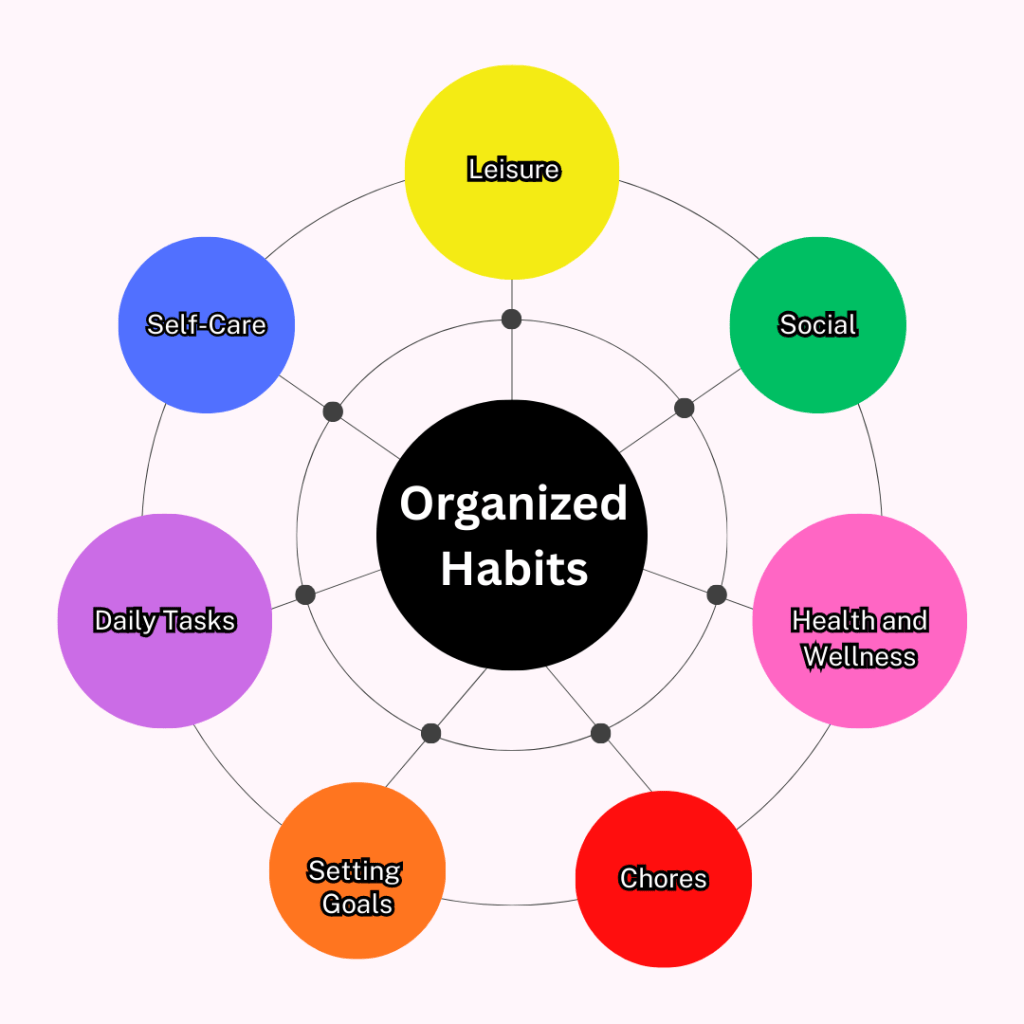
Create a Color Coded Chart for Habit Listing
Create a list of habits that align with a color-coded organized header. By organizing and Color -coding your habits craft a spontaneous guide that resonates with your daily flow and emotional requirements. This practice may not establish a routine or promote lasting growth right away. However it will help you turn empty thoughts and long days. Turn your feelings of loneliness into creativity, excitement, and motivation, ultimately leading to a fulfilling and productive day.

Managing Time for Organized Habits
Mananaging Time Frames Before choosing a task
Managing a time frame before choosing an activity should help fill the void you aim to fill. If you have plans, waiting for 30 minutes can feel like an eternity. In such cases, opt for a task that you can easily postpone without feeling pressured to finish. Conversely on days when your schedule is completely open, consider engaging in a habit that you know will take several hours to accomplish. A full day calls for substantial activities, so select something that provides a sense of full fulfillment.
Your Invited-Assignment #1

One Day at a Time
Every morning, Cathy sets a positive tone for the day by practicing mindfulness and savoring her coffee. With each sip, she reflects on her goals, affirming her commitment to small changes but struggle at times.
Most days Cathy follows her morning routine with out a hitch and understands she must be consistent. She spends a few minutes organizing her thoughts, setting priorities, and focusing on what matters, which better equips her for daily challenges. Getting Started is essential to embark on this journey with empathy, patience, and an open mind. We also invite family and friends to take the initiative to educate themselves, enabling them to provide a more supportive role.
Remember, living with someone who has a mental health condition is a shared journey that requires understanding, compassion, and teamwork. By working together, you can create a harmonious and supportive home environment that benefits both individuals.
Habits can generally be grouped into several categories, such as health and wellness, leisure, self care, productivity habits that enhance efficiency, and social habits that strengthen relationships. By examining these categories, we can prioritize and optimize our actions as individuals to align with our goals and values.